
Understanding the media
What Is Chemical Filtration in an Aquarium?

Chemical filtration is the use of a selected filter material to remove a dissolved substance from water as water passes across it. The substance may attach to a surface, exchange ions with the material, or bind through another product-specific interaction. The medium holds a limited amount; it must eventually be replaced, regenerated where permitted, or left out when the job is finished.
Unlike visible debris, dissolved material can pass through a sponge or floss without being caught. Brown tint from driftwood, some odor-causing organics, residual medication, and measurable phosphate are examples of different concerns that may call for different media. A brown tank is not automatically unhealthy: tannins may be intentional in a blackwater aquarium. The purpose of treatment should come before the choice to remove them.
Possible targets
- Selected dissolved organic compounds that discolor water or contribute to odor.
- Remaining medication after a completed treatment, when its label permits removal.
- Ammonium with an appropriate ion-exchange zeolite in suitable freshwater conditions.
- Measured phosphate when a compatible binding medium is justified.
“Chemical” describes the filtration mechanism; it does not imply that something dangerous is added to the aquarium. Media often sits in a permeable bag or filter chamber. Water must actually pass through or around enough of its surface for it to work. A full bag lying in a dead-flow corner may have far less effect than a smaller properly placed one.
Judge the result against the original target. If discoloration returns, that tells you more about carbon performance than a calendar alone. If a test remains high, also investigate the source. Repeatedly replacing media without correcting excess feeding, contaminated source water, or inadequate maintenance can turn a useful tool into a recurring expense.
How Does Chemical Filtration Work?

The exact process depends on the medium. Activated carbon is porous: selected molecules adhere to its internal surfaces through adsorption. That word means attachment to a surface, rather than absorption into the entire bulk of a material. The useful surface is finite, and different compounds compete for available sites.
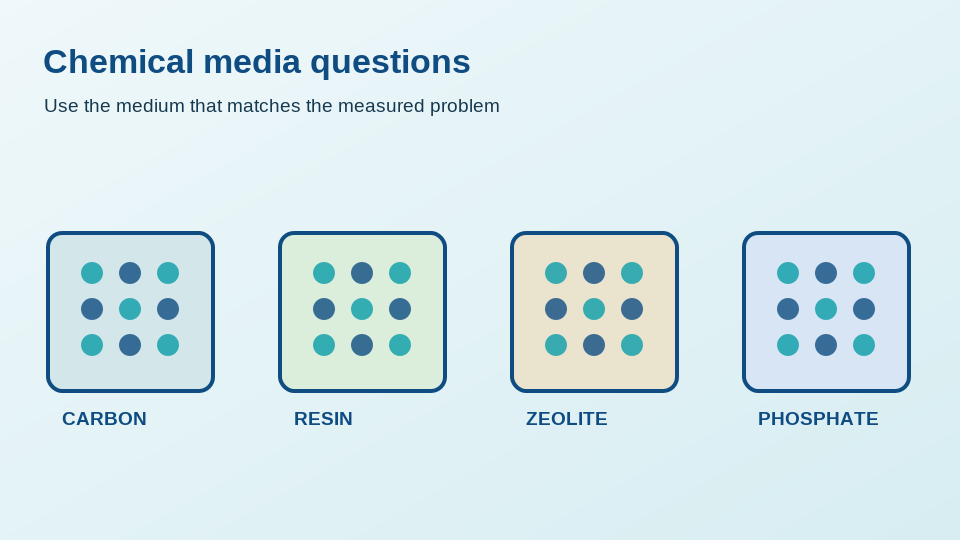
Ion-exchange materials work differently. A suitable zeolite can exchange ions held on its structure for ammonium ions in freshwater. Some resins target dissolved organic compounds; a maker may specify how to regenerate the resin after use. Phosphate removers bind phosphate through their own chemical interactions. A label that says “chemical filter media” cannot tell you which of these processes occurs.
| Mechanism | Example | Typical target | Key limit |
|---|---|---|---|
| Adsorption | Activated carbon | Selected organics | Limited surface capacity |
| Ion exchange | Suitable zeolite | Ammonium | Water chemistry dependent |
| Targeted binding | Phosphate medium | Phosphate | Target-specific capacity |
| Synthetic adsorption | Organic-removal resin | Selected organics | Product-specific regeneration |
Water contact matters as much as media type. Upstream particle capture prevents debris from coating or blocking the chemical stage. A media bag should fit where water flows through it without forcing the filter to bypass other stages. Use the maker's recommended quantity and flow guidance rather than packing every spare chamber full.
Media exhaustion means capacity or useful performance has fallen for the intended target. It does not mean every previously captured molecule suddenly pours back into the tank. Replace or regenerate according to the product directions and observed performance, while continuing normal water changes and source control.
Chemical vs. Mechanical vs. Biological Filtration
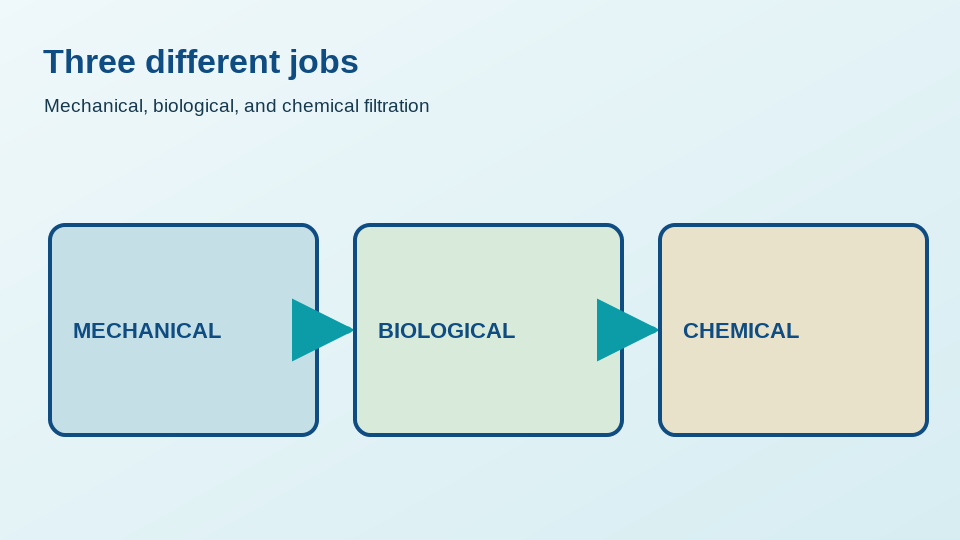
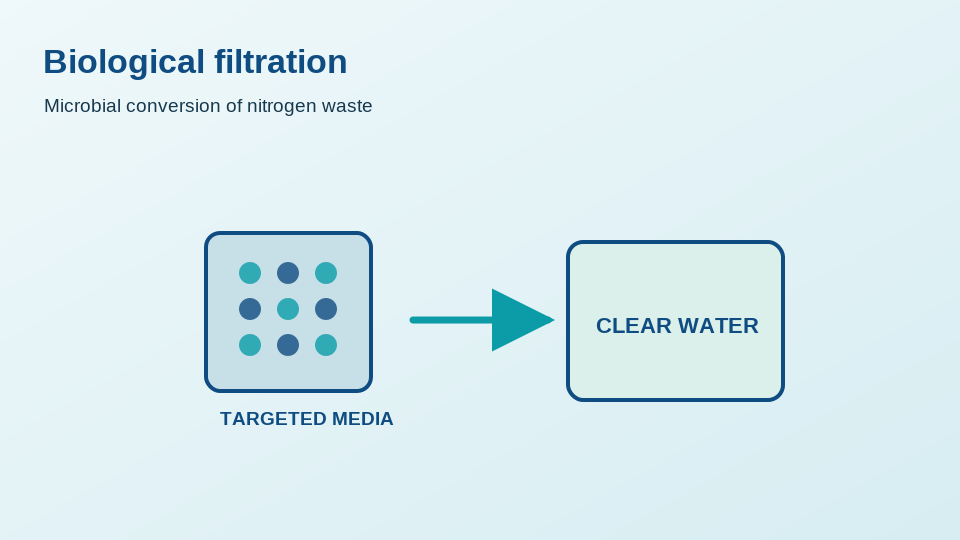
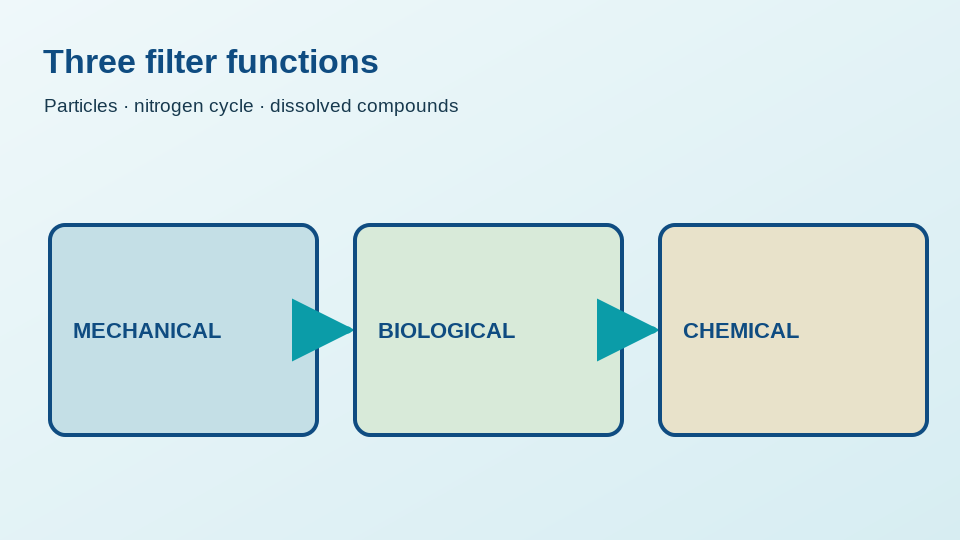
The three roles are easiest to separate by asking what must be removed or transformed. A piece of food is a solid particle: mechanical media can catch it. Ammonia produced as waste is dissolved: an established microbial community normally handles it through the nitrogen cycle. A dissolved dye-like organic or a treatment residue may call for a suitable chemical medium.
Match the response to the problem
- Floating debris: inspect intake flow and mechanical pads; remove trapped solids during maintenance.
- Ammonia or nitrite detected: protect or establish biological filtration and address livestock safety; ordinary carbon is not the fix.
- Yellow tint from driftwood: decide whether it is unwanted, then consider carbon or an appropriate resin.
- Residual medication: follow the medicine instructions for water changes and post-treatment carbon use.
- Measured phosphate concern: identify the source and evaluate a targeted remover where suitable.
There is overlap in a real aquarium filter. A sponge catches debris and provides habitat for microorganisms. A cartridge might combine fibrous material with carbon. That does not make the biological part expendable when carbon is exhausted. If replacing a cartridge also removes the main mature biological surface, plan a change that retains established media.
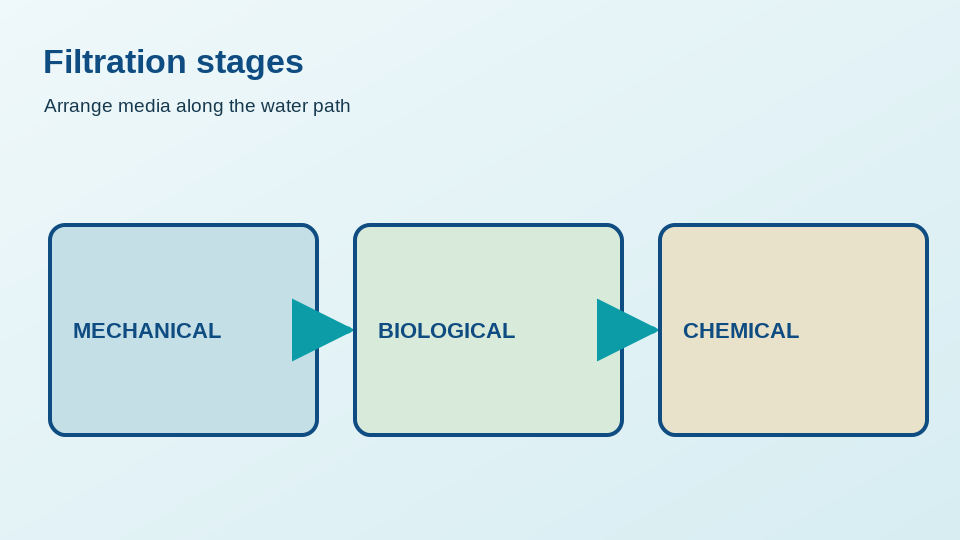
Good mechanical pre-filtration can protect both biological and chemical stages from heavy debris. Biological media needs stable flow and surface area. A chemical bag used for polishing should not block circulation or displace the media that carries the nitrogen cycle.
Common Types of Chemical Filter Media
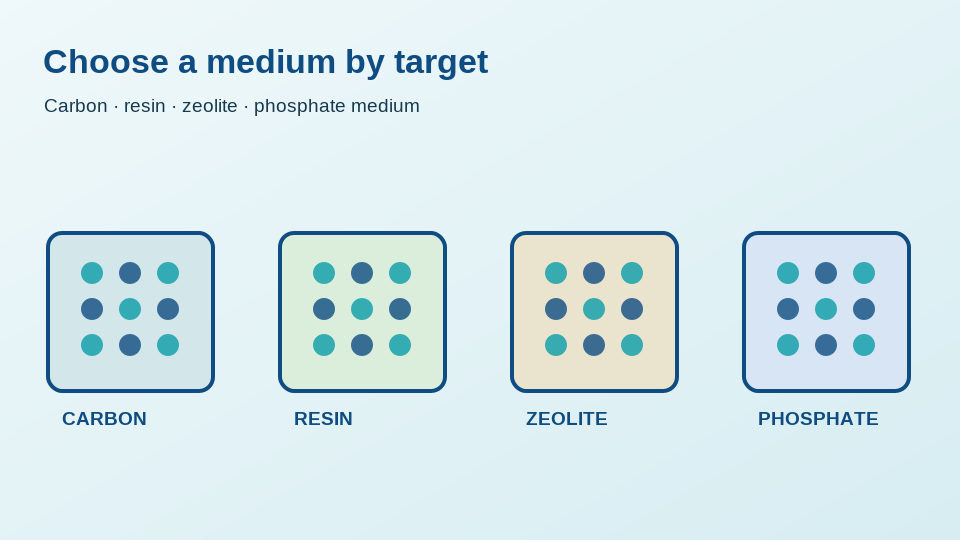
Media types differ in what they target, how quickly they work, and whether they can be regenerated. Begin with the identified water issue, then read the exact product's compatibility and maintenance guidance. Similar-looking granules are not interchangeable.
| Medium | Main target | Mechanism | Best use | Caution |
|---|---|---|---|---|
| Activated carbon | Many organics, tint, residual drugs | Adsorption | Polishing or post-treatment | Not a reliable ammonia remover |
| Synthetic resin | Selected dissolved organics | Adsorption or exchange, by product | Organic control | Follow exact regeneration method |
| Zeolite | Ammonium in suitable freshwater | Ion exchange | Targeted temporary support | Not a mature biofilter substitute |
| Phosphate remover | Phosphate | Targeted binding | Measured phosphate management | Avoid abrupt changes in sensitive reefs |
Activated carbon
Granular or pelletized activated carbon has a large internal surface. It can reduce many dissolved organic molecules, odor-causing compounds, and tannin-related discoloration. It is often added after medication ends to help remove remaining treatment chemicals when appropriate. It is not a dependable way to remove ammonia, nitrite, or nitrate from aquarium water.
Synthetic adsorbent resins
These manufactured media are formulated for specific dissolved compounds, often organic waste. Some can be regenerated, but the procedure is product-specific and may require careful preparation and rinsing. Never improvise a regeneration chemical or return improperly prepared resin to an aquarium. Check what the manufacturer says the resin does and does not remove.
Zeolite
Natural or processed zeolite can exchange ammonium ions under appropriate freshwater conditions. Its capacity depends on water chemistry and product. Saltwater compatibility and regeneration procedures differ, so do not assume a freshwater ammonium remover will perform the same way in a marine aquarium. If ammonia is present, also address the cause and safeguard the biological filter.
Phosphate-removing media
Products based on different materials can bind phosphate from water. They are useful when testing shows phosphate needs management and the product suits the tank. Some reef systems require careful control because a rapid nutrient drop can stress organisms. A remover does not correct phosphate entering continually through feeding or source water.
One bag rarely solves every issue. If a product promises to “remove toxins,” look for named targets and testable claims. It is more useful to know whether the aquarium has an organic tint, an ammonia problem, or excess measured phosphate than to add several media types without a question in mind.
When Do You Actually Need Chemical Filtration?

Many stable freshwater aquariums run successfully with mechanical and biological filtration alone. Chemical media becomes useful when there is a clearly identified dissolved target or a temporary treatment step. It is optional in the sense that it is not a universal third stage required in every filter.
Situations where it may help
- You want to reduce unwanted yellow or brown tint from dissolved organics.
- The tank has a persistent odor that remains after investigating maintenance and source conditions.
- A medication course has finished and the label calls for its removal.
- A measured substance, such as phosphate, needs targeted management in a suitable tank.
- You need a temporary, product-appropriate ammonium exchange medium while also correcting the underlying issue.
Situations where it is not the first response
- Cloudiness caused by suspended solids: inspect mechanical filtration.
- Ammonia or nitrite in an uncycled tank: protect livestock and establish biological processing.
- Recurring waste after heavy feeding: correct the input and service the filter.
- Unexplained fish distress: test the water and check temperature and oxygen before choosing media.
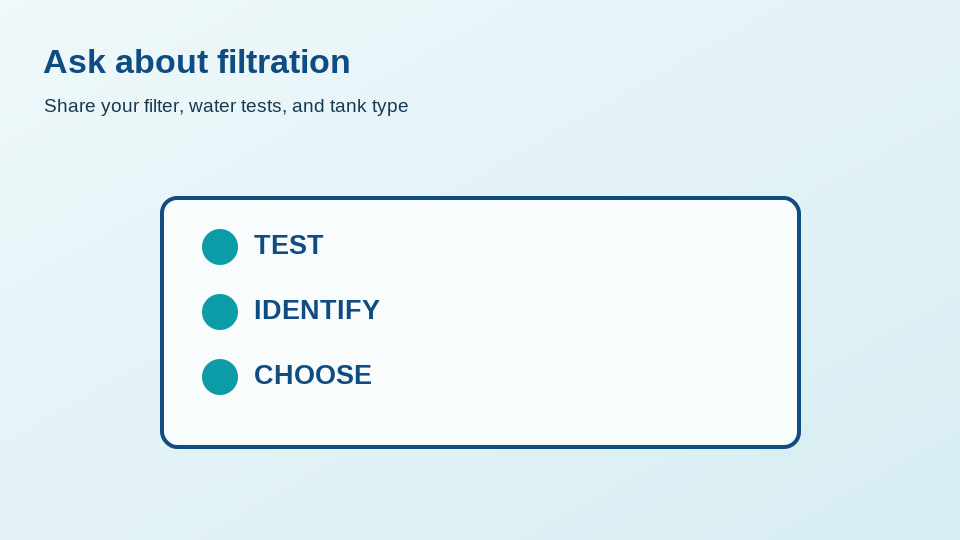
Decision rule: Test first, identify the problem second, choose the media third.
Some aquarists prefer the amber color and possible habitat benefits of tannin-rich water. In that case, carbon that removes the tint works against the intended setup. Conversely, crystal-clear water is not evidence that an aquarium is biologically safe. Test and observe the animals rather than treating color as the only sign of health.
What Does Activated Carbon Remove — and What Does It Not Remove?
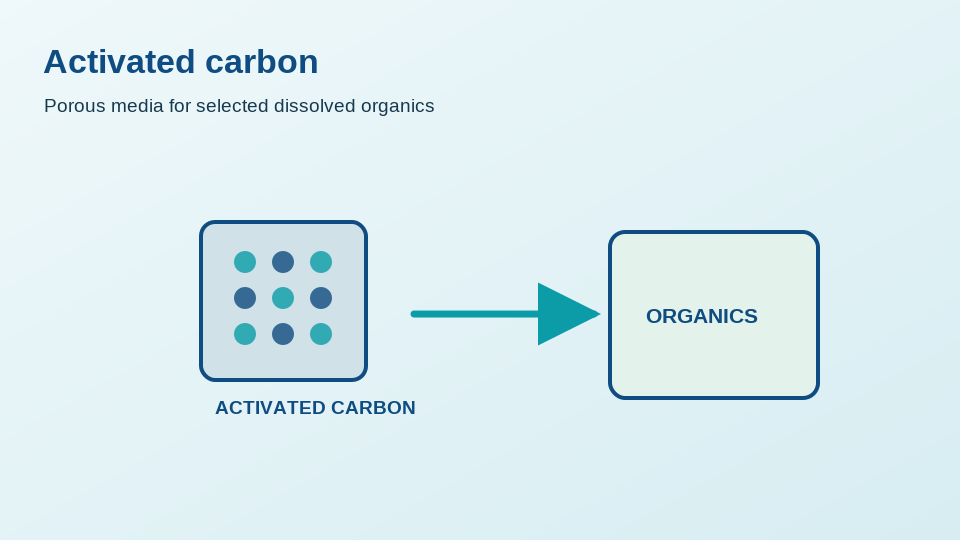
Activated carbon is popular because it can adsorb a broad range of dissolved organic molecules. Its results depend on the carbon product, the compounds present, contact time, and whether the media still has capacity. A label should not be stretched into a claim that carbon removes everything dissolved in water.
| Can commonly help reduce | Do not rely on standard carbon to remove |
|---|---|
| Selected dissolved organic compounds | Ammonia |
| Tannin-related discoloration | Nitrite |
| Some odor-causing substances | Nitrate |
| Remaining medication after treatment, when suitable | Every possible contaminant or cause of fish distress |
During medication, carbon may take up the active compound and reduce the intended dose in the water. Remove it when the medication instructions call for an ongoing dissolved treatment. After the course, follow the label's water-change steps; fresh carbon can then be useful for removing remaining medicine if compatible with the treatment.
If tests show ammonia or nitrite, do not add carbon and assume the danger has passed. Review the biological filter, recent cleaning, feeding, and stocking, and take appropriate livestock-protection steps. Carbon can make water look clearer while dissolved nitrogen remains unsafe.
Where Should Chemical Media Go in the Filter?
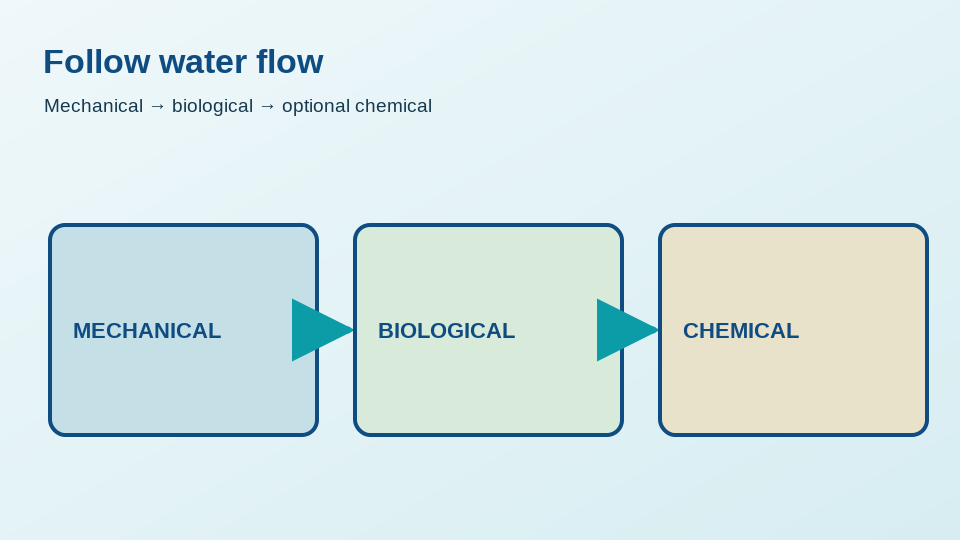
Trace the actual route from filter intake to return. A bottom basket is first in some designs and last in others; “top” and “bottom” alone are poor instructions. Check the manufacturer's flow diagram or inspect the filter's internal path before rearranging media.
Useful functional sequence: dirty water → mechanical debris capture → protected biological surfaces → optional chemical polishing → return.
Placement checklist
- Find the water inlet and identify the first medium it reaches.
- Keep coarse and, if useful, fine particle capture ahead of chemical media.
- Preserve a stable biological stage and adequate flow around it.
- Put the chemical bag where water contacts it without bypassing the filter.
- Leave room for water movement; do not compact bags tightly.
- Confirm the filter primes and returns water normally after reassembly.
The sequence is a practical starting point, not a demand to rebuild every manufacturer-designed filter. Some units combine stages or use parallel water paths. The important principle is to prevent heavy debris from coating the chemical medium while maintaining the biological and circulation functions. If you remove carbon after a treatment, do not accidentally remove your only mature biological media with it.
How Long Does Chemical Filter Media Last?

There is no universal replacement interval. Media life depends on the amount of the target compound, water flow, media quantity, product design, and how much of its capacity has already been used. A lightly loaded bag and an identical bag exposed to a recent medication course may not perform for the same length of time.
| Medium | What to watch | Next step |
|---|---|---|
| Carbon | Return of tint or odor; product guidance | Replace if target removal is still needed |
| Regenerable resin | Manufacturer indicator or reduced performance | Regenerate exactly as directed, or replace |
| Zeolite | Relevant water tests and product capacity | Replace or follow approved recharge method |
| Phosphate medium | Phosphate readings over time | Replace when target performance falls |
Rinsing loose dust before first use, when the maker instructs it, can keep granules out of the tank. Do not treat rinsing as regeneration unless the product explicitly says so. Used media generally has reduced capacity; saturation is not proof that it releases everything previously captured at once.
Record the date of installation and the problem being treated. Compare later water observations or tests with that starting point. If the problem returns soon after each replacement, search for an ongoing input such as source water, food, decomposing material, or a skipped maintenance step.
Freshwater, Planted, and Saltwater Aquarium Considerations

The right chemical medium depends on both the measured problem and the animals or plants present. Freshwater, planted, and marine aquariums differ in water chemistry and goals. Use a product marked for the actual system, and do not assume a result reported for one tank type will carry over unchanged.
| Aquarium | Possible reason for media | Important check |
|---|---|---|
| Freshwater | Unwanted tint or post-treatment cleanup | Is the tint actually undesirable? |
| Planted | Selected dissolved organics | Preserve conditions suited to the plants |
| Saltwater or reef | Organics or measured phosphate | Use marine-compatible media and avoid abrupt changes |
Freshwater aquariums
Carbon or an appropriate resin may reduce discoloration or certain odors. Zeolite is sometimes used for ammonium exchange under suitable freshwater conditions, but it cannot replace cycling or a stable biological filter. If the tank is newly established, ammonia and nitrite tests give more useful information than water appearance.
Planted aquariums
Driftwood may release tannins, and some aquascapers welcome that color. Others prefer clearer water and use targeted polishing. Consider the plants' nutrient needs and the precise claims of any medium. Avoid routinely stripping water of a measured nutrient simply because its name appears on a remover's label.
Saltwater and reef aquariums
Carbon is used to manage selected organics, while phosphate media can be relevant when testing supports it. Sensitive reef systems may react poorly to a sudden phosphate drop, so use manufacturer guidance and monitor trends. A freshwater zeolite claim does not establish marine suitability. Marine husbandry still depends on source water, feeding, biological capacity, and water changes.
Common Chemical Filtration Mistakes

Most problems come from choosing a medium before defining the target or from disrupting the rest of the filter. A useful medium can become unhelpful if it blocks flow, absorbs medication at the wrong time, or replaces mature biological material.
- Using carbon for ammonia: test and address biological processing instead.
- Assuming one medium removes everything: check named targets on the product.
- Skipping water tests: measure the problem where a reliable test exists.
- Leaving carbon in during medication: follow the treatment label.
- Removing all mature media together: preserve biological surfaces.
- Placing bags before heavy debris capture: protect them with mechanical filtration.
- Packing a chamber too tightly: maintain useful circulation.
- Replacing on a universal schedule: use product guidance and performance.
- Regenerating by guesswork: follow the maker's exact safety procedure.
- Ignoring the source: manage feeding, source water, and accumulated waste.
Ask three questions before buying another bag: What substance am I trying to remove? What evidence says it is present or unwanted? Does this exact product target it in my aquarium type? If any answer is unclear, investigate first. Water changes and good husbandry are often part of the response even when chemical media is appropriate.
After changing the filter, check that water returns normally and that biological media remains wet and in service. If fish behave unusually, assess temperature, oxygen, ammonia, and nitrite rather than assuming the chemical medium caused or solved the issue.